The Power of Vinegar: How a Little Kitchen Magic Can Tame Your Favourite Carbohydrates

The Power of Vinegar: How a Little Kitchen Magic Can Tame Your favourite Carbohydrates

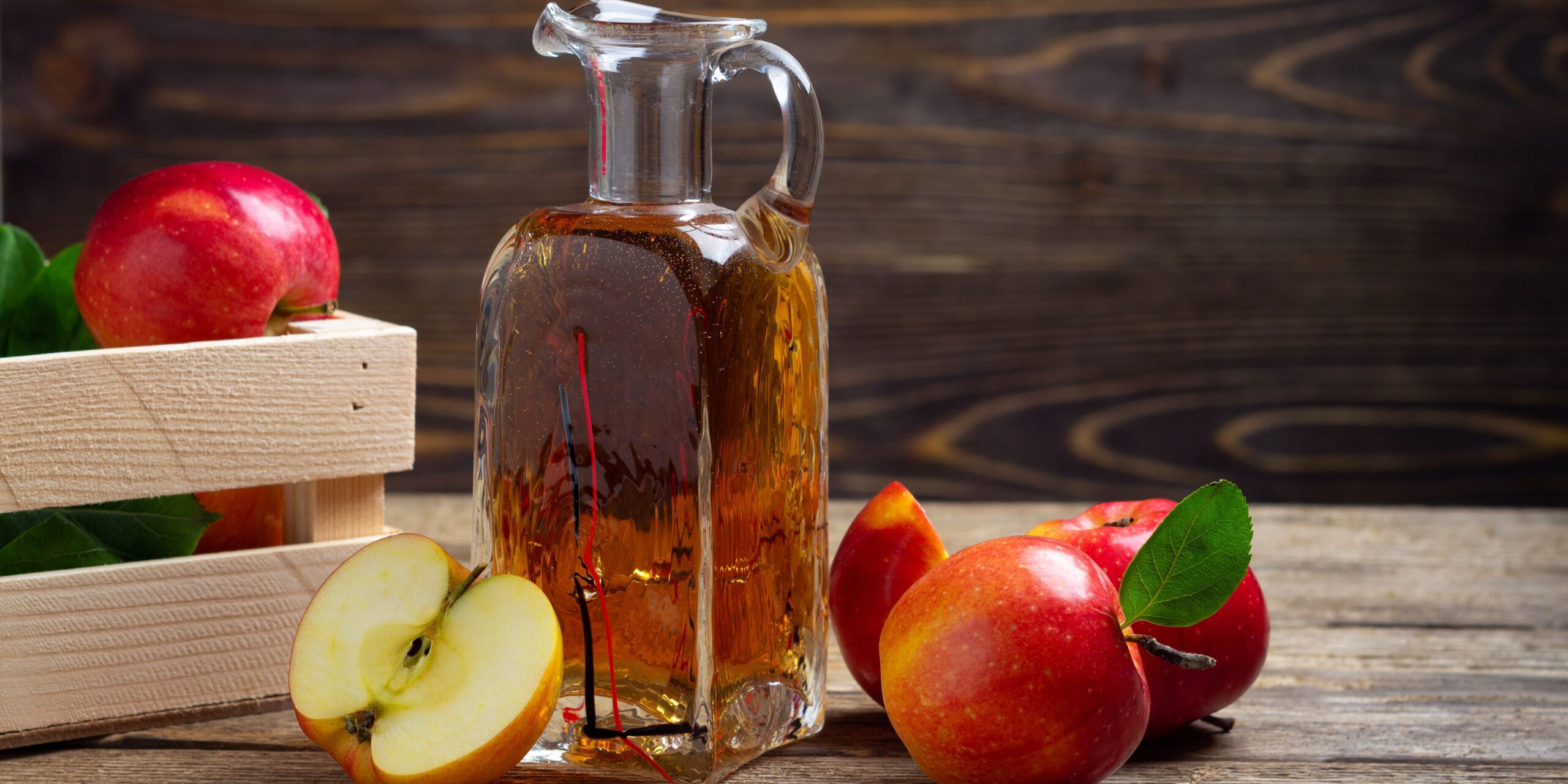
Do you feel lethargic or crave something sweet immediately after having rice or roti? These ups and downs are commonly seen in people living with diabetics or have insulin-resistance, potentially impacting energy, hunger, and long-term health. But here is the good news: a humble ingredient, right from your kitchen shelf called vinegar, can rein in those blood sugar surges.

The acidity in vinegar is made up of an active compound called acetic acid, which helps to slow down the digestion of carbohydrates into glucose. This serves to reduce blood sugar spikes after meals and helps regulate insulin, leading to more consistent energy levels.

How Vinegar Works

That’s because, when taken before or with a meal, the acetic acid in vinegar interferes with carbohydrate digestion, making glucose enter your bloodstream more slowly. In one Diabetes Care study, people with type 2 diabetes who took 2 teaspoons of vinegar before a high-carb meal had 20 – 30% lower blood sugar levels afterward. It’s a small tweak that can have measurable results.

Including Vinegar in Indian Meals

  1. Vinegar doesn’t have to be unpleasant or overpowering; it can blend beautifully into Indian cuisine.
  2. Take a glass of water and add 1 teaspoon of apple cider vinegar into it; drink it before your main meals.
  3. Use vinegar-based dressings for salads containing cucumber, tomato, onion, and sprouts. Add a dash to pulses, sabzis, or stir-fried vegetables for added flavor and balancing sugar response.
  4. Mix vinegar into chutneys or homemade pickles (achar) for a delicious, traditional way to gain benefits.
  5. When cooking rice or noodles, add a bit of vinegar to the boiling or stir-frying process to lower the glycemic effect.

Safety and Smart Use

While vinegar has numerous benefits, it should not be overdone. Always mix with water, as undiluted vinegar can damage the enamel on teeth and burn the throat. For people taking any medication for diabetes and insulin, consult with one’s doctor or dietician before using regularly, as it may accentuate the action of medication.

Actionable Tip:

Pair it with the Plate Equation For best results, pair vinegar with balanced meals-half your plate vegetables, a quarter protein, and a quarter complex carbs. Together, they add up to a blood sugar-proof strategy for long-term health. It might just be a spoonful of vinegar, but it can pack a punch in your metabolic health by helping you better enjoy your favourite Indian meals with more energy, balance, and confidence.

References

  1. Johnston CS et al. Vinegar improves insulin sensitivity to a high-carbohydrate meal in subjects with insulin resistance or type 2 diabetes. Diabetes Care. 2004.
  2. American Diabetes Association. Simple Strategies for Blood Sugar Management. 2023.
  3. National Institute of Nutrition, India. Dietary Guidelines for Indians. 2021.
  4. Mitrou P et al. Effect of vinegar on glucose metabolism and lipid profiles: A review. Nutrients. 2020.

Related Blogs

Leave a Reply

Your email address will not be published. Required fields are marked *

You may also like

Search a ReeCoach In Your Area

The Power of Vinegar: How a Little Kitchen Magic Can Tame Your Favourite Carbohydrates

The Power of Vinegar: How a Little Kitchen Magic Can Tame Your favourite Carbohydrates

Do you feel lethargic or crave something sweet immediately after having rice or roti? These ups and downs are commonly seen in people living with diabetics or have insulin-resistance, potentially impacting energy, hunger, and long-term health. But here is the good news: a humble ingredient, right from your kitchen shelf called vinegar, can rein in those blood sugar surges.

The acidity in vinegar is made up of an active compound called acetic acid, which helps to slow down the digestion of carbohydrates into glucose. This serves to reduce blood sugar spikes after meals and helps regulate insulin, leading to more consistent energy levels.

How Vinegar Works

That’s because, when taken before or with a meal, the acetic acid in vinegar interferes with carbohydrate digestion, making glucose enter your bloodstream more slowly. In one Diabetes Care study, people with type 2 diabetes who took 2 teaspoons of vinegar before a high-carb meal had 20 – 30% lower blood sugar levels afterward. It’s a small tweak that can have measurable results.

Including Vinegar in Indian Meals

  1. Vinegar doesn’t have to be unpleasant or overpowering; it can blend beautifully into Indian cuisine.
  2. Take a glass of water and add 1 teaspoon of apple cider vinegar into it; drink it before your main meals.
  3. Use vinegar-based dressings for salads containing cucumber, tomato, onion, and sprouts. Add a dash to pulses, sabzis, or stir-fried vegetables for added flavor and balancing sugar response.
  4. Mix vinegar into chutneys or homemade pickles (achar) for a delicious, traditional way to gain benefits.
  5. When cooking rice or noodles, add a bit of vinegar to the boiling or stir-frying process to lower the glycemic effect.

Safety and Smart Use

While vinegar has numerous benefits, it should not be overdone. Always mix with water, as undiluted vinegar can damage the enamel on teeth and burn the throat. For people taking any medication for diabetes and insulin, consult with one’s doctor or dietician before using regularly, as it may accentuate the action of medication.

Actionable Tip:

Pair it with the Plate Equation For best results, pair vinegar with balanced meals-half your plate vegetables, a quarter protein, and a quarter complex carbs. Together, they add up to a blood sugar-proof strategy for long-term health. It might just be a spoonful of vinegar, but it can pack a punch in your metabolic health by helping you better enjoy your favourite Indian meals with more energy, balance, and confidence.

References

  1. Johnston CS et al. Vinegar improves insulin sensitivity to a high-carbohydrate meal in subjects with insulin resistance or type 2 diabetes. Diabetes Care. 2004.
  2. American Diabetes Association. Simple Strategies for Blood Sugar Management. 2023.
  3. National Institute of Nutrition, India. Dietary Guidelines for Indians. 2021.
  4. Mitrou P et al. Effect of vinegar on glucose metabolism and lipid profiles: A review. Nutrients. 2020.

Leave a Reply

Your email address will not be published. Required fields are marked *

You may also like

Search a ReeCoach In Your Area