Baking with Apples: Healthy Desserts for the Season
Did you know that apples aren’t just delicious—they’re also packed with fiber, antioxidants, and vitamin C? Whether you’re craving a warm, comforting treat or a
The festival of Pongal, celebrated with great fervour in South India, is a tribute to the harvest season and a testament to the timeless wisdom of Ayurveda. Rooted in nature’s cycles, this festival aligns perfectly with the Ayurvedic principles of seasonal eating, advocating foods that balance the body’s doshas (Vata, Pitta, and Kapha) and enhance overall well-being.
Ayurvedic Insights into Pongal Foods
Ayurveda emphasizes eating seasonally and locally, especially during transitions like the harvest season. Pongal dishes predominantly use rice, lentils, jaggery, ghee, and spices like pepper and ginger, each with specific Ayurvedic benefits:
Dosha-Specific Pongal Recipes
Vata types often feel cold and dry during winter, requiring warm, moist, and grounding foods.
Recipe: Creamy Moong Dal Pongal
Ingredients: Rice, moong dal, ghee, ginger, black pepper, asafoetida.
Method: Cook rice and dal together until soft. Temper with ghee, ginger, and spices. Serve warm.
Ayurvedic Tip: Add a pinch of nutmeg to further calm Vata.
Pitta types may experience overheating even in winter, benefiting from cooling and mildly sweet dishes.
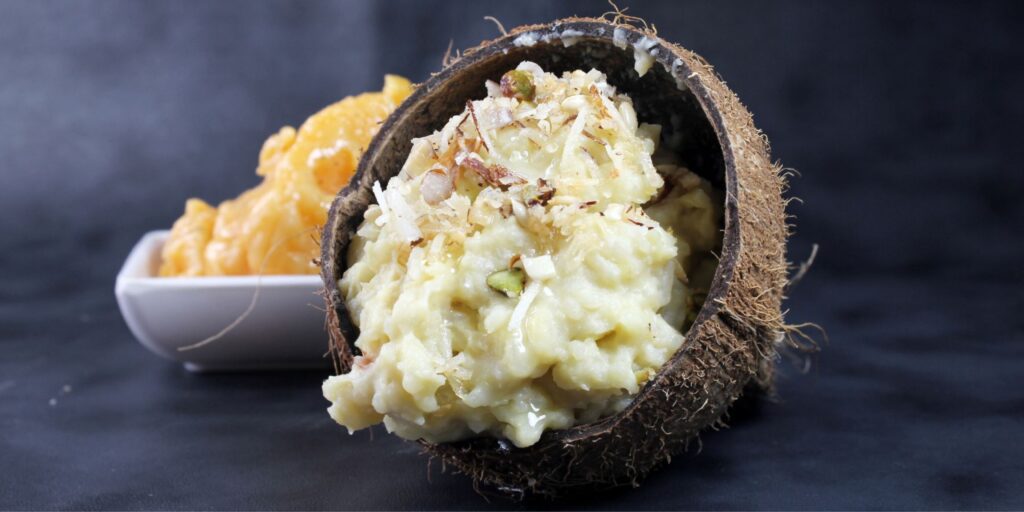
Recipe: Coconut Jaggery Pongal
Ingredients: Rice, jaggery, coconut milk, cardamom.
Method: Cook rice with coconut milk, stir in melted jaggery, and garnish with cardamom.
Ayurvedic Tip: Avoid excessive spices to keep Pitta cool
Kapha types thrive on light, warm, and mildly spicy foods to counteract heaviness.
Recipe: Spiced Millets Pongal
Ingredients: Foxtail millet, moong dal, black pepper, cumin, ginger.
Method: Cook millet and dal, then temper with ghee and spices. Serve hot.
Ayurvedic Tip: Add a squeeze of lemon for an energising touch.
Pongal’s culinary traditions beautifully reflect Ayurvedic wisdom, offering dishes that celebrate the harvest while nourishing the body and mind. By choosing dosha-specific variations, one can align festive indulgence with holistic health. This Pongal, savour the essence of Ayurveda on your plate and embrace the balance it brings.
References
Ashtanga Hridayam: Discusses the digestive benefits of spices like ginger and black pepper in winter (pg. 78).

Did you know that apples aren’t just delicious—they’re also packed with fiber, antioxidants, and vitamin C? Whether you’re craving a warm, comforting treat or a

Makar Sankranti is celebrated with delicious treats, but many are high in sugar. This blog shows how to make healthier versions of popular dishes enjoyed

Radishes aren’t just crunchy and refreshing—they’re a powerhouse for post-workout recovery! Packed with hydrating water content, detoxifying compounds, and gut-friendly fiber, these root veggies replenish

Did you know radishes are more than just a garnish for your salad? These vibrant, crunchy roots pack a nutritional punch while adding a peppery

The Power of Vinegar: How a Little Kitchen Magic Can Tame Your favourite Carbohydrates Do you feel lethargic or crave something sweet immediately after having

Do you ever feel sleepy or crave something sweet soon after a meal? Chances are, your blood sugar spiked and then crashed. The good news

When we think of diabetes, we immediately think of sugar. But new research reveals that it’s not just what we eat, it’s what our gut
The festival of Pongal, celebrated with great fervour in South India, is a tribute to the harvest season and a testament to the timeless wisdom of Ayurveda. Rooted in nature’s cycles, this festival aligns perfectly with the Ayurvedic principles of seasonal eating, advocating foods that balance the body’s doshas (Vata, Pitta, and Kapha) and enhance overall well-being.
Ayurvedic Insights into Pongal Foods
Ayurveda emphasizes eating seasonally and locally, especially during transitions like the harvest season. Pongal dishes predominantly use rice, lentils, jaggery, ghee, and spices like pepper and ginger, each with specific Ayurvedic benefits:
Dosha-Specific Pongal Recipes
Vata types often feel cold and dry during winter, requiring warm, moist, and grounding foods.
Recipe: Creamy Moong Dal Pongal
Ingredients: Rice, moong dal, ghee, ginger, black pepper, asafoetida.
Method: Cook rice and dal together until soft. Temper with ghee, ginger, and spices. Serve warm.
Ayurvedic Tip: Add a pinch of nutmeg to further calm Vata.
Pitta types may experience overheating even in winter, benefiting from cooling and mildly sweet dishes.
Recipe: Coconut Jaggery Pongal
Ingredients: Rice, jaggery, coconut milk, cardamom.
Method: Cook rice with coconut milk, stir in melted jaggery, and garnish with cardamom.
Ayurvedic Tip: Avoid excessive spices to keep Pitta cool
Kapha types thrive on light, warm, and mildly spicy foods to counteract heaviness.
Recipe: Spiced Millets Pongal
Ingredients: Foxtail millet, moong dal, black pepper, cumin, ginger.
Method: Cook millet and dal, then temper with ghee and spices. Serve hot.
Ayurvedic Tip: Add a squeeze of lemon for an energising touch.
Pongal’s culinary traditions beautifully reflect Ayurvedic wisdom, offering dishes that celebrate the harvest while nourishing the body and mind. By choosing dosha-specific variations, one can align festive indulgence with holistic health. This Pongal, savour the essence of Ayurveda on your plate and embrace the balance it brings.
References
Ashtanga Hridayam: Discusses the digestive benefits of spices like ginger and black pepper in winter (pg. 78).

Did you know that apples aren’t just delicious—they’re also packed with fiber, antioxidants, and vitamin C? Whether you’re craving a warm, comforting treat or a

Did you know your gut has trillions of bacteria working day and night to keep digestion smooth? Lucky for us, apples act like fuel for

Makar Sankranti is celebrated with delicious treats, but many are high in sugar. This blog shows how to make healthier versions of popular dishes enjoyed
START YOUR JOURNEY TODAY
Copyright (C) 2024 Shamrock Nutrascience. All rights reserved.