Folic Acid: The Tiny Vitamin with a Mighty Role in Preventing Neural Tube Defects
Imagine the earliest days of pregnancy, when life itself is taking shape. Deep within, the baby’s brain and spinal cord are beginning to form—This early
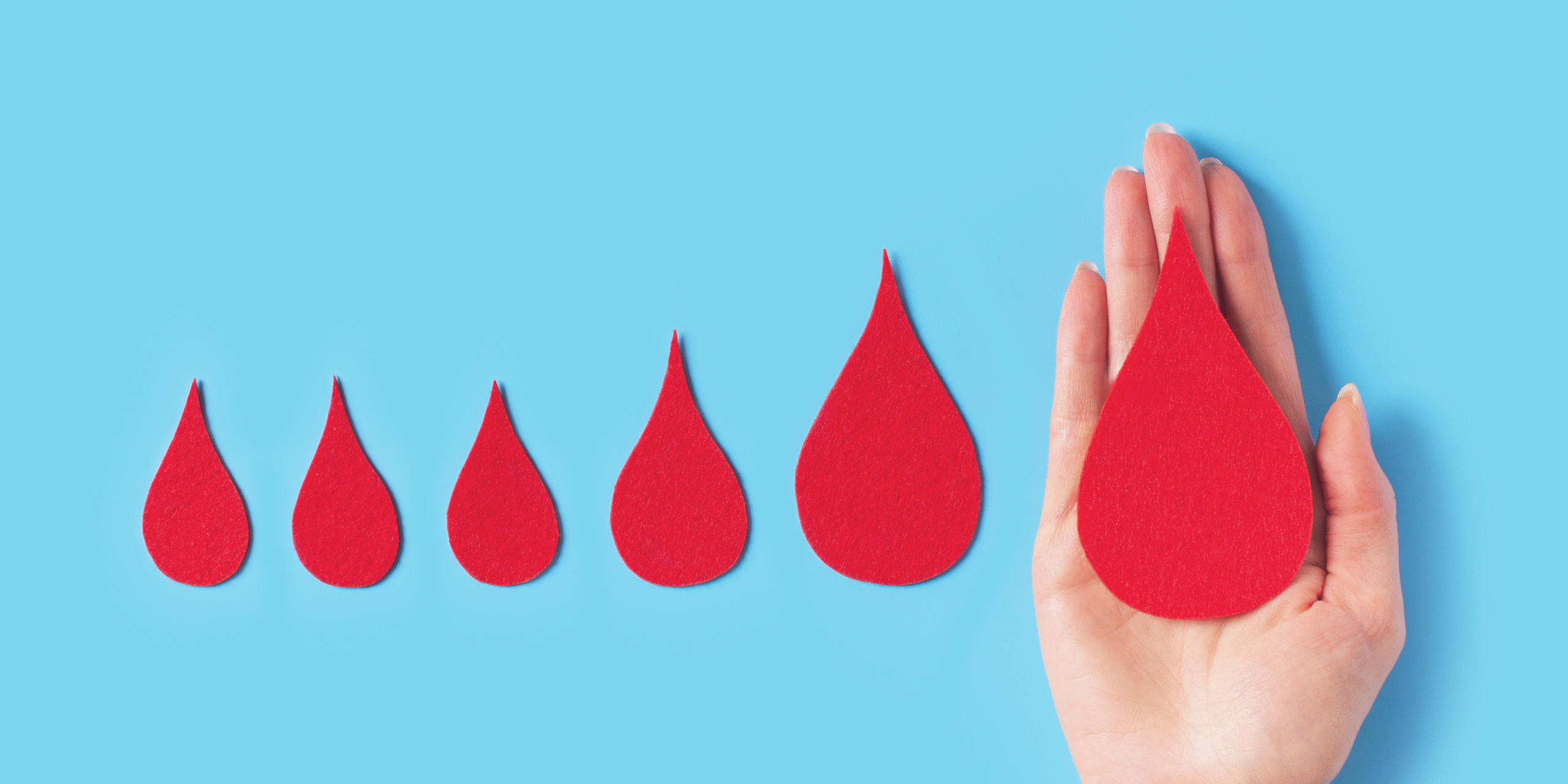
When people hear the word “anemia,” they often associate it with an iron deficiency. While iron-deficiency anemia is the most common type, anemia is a broad condition with multiple causes and variations. Understanding these different types is crucial for accurate diagnosis and effective treatment.
What Is Anemia?
Anemia occurs when the body lacks enough healthy red blood cells to carry oxygen efficiently to tissues. This can result in symptoms such as fatigue, weakness, pale skin, and shortness of breath. The causes of anemia vary, leading to different types that require distinct approaches to management.
Types of Anemia
Cause: Shortage of iron, essential for hemoglobin production.
Diagnosis: Blood tests measuring hemoglobin, hematocrit, and serum ferritin levels.
Treatment: Iron supplements, dietary changes, and addressing underlying causes like blood loss.
Cause: Lack of vitamin B12 and folate, necessary for red blood cell production.
Diagnosis: Blood tests to check vitamin B12 and folate levels.
Treatment: Dietary supplements, improved nutrition, and treating malabsorption issues.
Cause: Autoimmune condition preventing vitamin B12 absorption.
Diagnosis: Blood tests for vitamin B12 levels and intrinsic factor antibodies.
Treatment: Lifelong B12 supplementation via injections or high-dose oral supplements.
Cause: Premature destruction of red blood cells due to autoimmune diseases, infections, or toxins.
Diagnosis: Blood tests, including a complete blood count (CBC), reticulocyte count, and direct Coombs test.
Treatment: Medications to suppress immune response, blood transfusions, or treating the underlying condition.
Cause: Bone marrow failure resulting in reduced red blood cell production.
Diagnosis: Bone marrow biopsy and blood tests.
Treatment: Bone marrow transplants, immunosuppressive therapy, and blood transfusions.
Cause: Genetic disorder causing misshapen red blood cells leading to blockages in blood vessels.
Diagnosis: Hemoglobin electrophoresis and genetic testing.
Treatment: Pain management, blood transfusions, and medications like hydroxyurea to reduce complications.
Cause: Conditions like kidney disease, cancer, and inflammatory disorders affecting red blood cell production.
Diagnosis: Blood tests, including erythropoietin levels and kidney function tests.
Treatment: Managing the underlying disease, iron therapy, and sometimes erythropoiesis-stimulating agents.
Anemia is more complex than just an iron deficiency. Understanding the various types and their causes is essential for proper diagnosis and treatment. If you experience symptoms of anemia, consult a healthcare professional for an accurate evaluation and personalized care plan.
References

Imagine the earliest days of pregnancy, when life itself is taking shape. Deep within, the baby’s brain and spinal cord are beginning to form—This early

When we think of diabetes, we immediately think of sugar. But new research reveals that it’s not just what we eat, it’s what our gut

The Power of Vinegar: How a Little Kitchen Magic Can Tame Your favourite Carbohydrates Do you feel lethargic or crave something sweet immediately after having

Do you ever feel sleepy or crave something sweet soon after a meal? Chances are, your blood sugar spiked and then crashed. The good news

If your body were a thriving city, folic acid would be the power plant, fueling everything from cell growth to energy production. Feeling low on
When people hear the word “anemia,” they often associate it with an iron deficiency. While iron-deficiency anemia is the most common type, anemia is a broad condition with multiple causes and variations. Understanding these different types is crucial for accurate diagnosis and effective treatment.
What Is Anemia?
Anemia occurs when the body lacks enough healthy red blood cells to carry oxygen efficiently to tissues. This can result in symptoms such as fatigue, weakness, pale skin, and shortness of breath. The causes of anemia vary, leading to different types that require distinct approaches to management.
Types of Anemia
Cause: Shortage of iron, essential for hemoglobin production.
Diagnosis: Blood tests measuring hemoglobin, hematocrit, and serum ferritin levels.
Treatment: Iron supplements, dietary changes, and addressing underlying causes like blood loss.
Cause: Lack of vitamin B12 and folate, necessary for red blood cell production.
Diagnosis: Blood tests to check vitamin B12 and folate levels.
Treatment: Dietary supplements, improved nutrition, and treating malabsorption issues.
Cause: Autoimmune condition preventing vitamin B12 absorption.
Diagnosis: Blood tests for vitamin B12 levels and intrinsic factor antibodies.
Treatment: Lifelong B12 supplementation via injections or high-dose oral supplements.
Cause: Premature destruction of red blood cells due to autoimmune diseases, infections, or toxins.
Diagnosis: Blood tests, including a complete blood count (CBC), reticulocyte count, and direct Coombs test.
Treatment: Medications to suppress immune response, blood transfusions, or treating the underlying condition.
Cause: Bone marrow failure resulting in reduced red blood cell production.
Diagnosis: Bone marrow biopsy and blood tests.
Treatment: Bone marrow transplants, immunosuppressive therapy, and blood transfusions.
Cause: Genetic disorder causing misshapen red blood cells leading to blockages in blood vessels.
Diagnosis: Hemoglobin electrophoresis and genetic testing.
Treatment: Pain management, blood transfusions, and medications like hydroxyurea to reduce complications.
Cause: Conditions like kidney disease, cancer, and inflammatory disorders affecting red blood cell production.
Diagnosis: Blood tests, including erythropoietin levels and kidney function tests.
Treatment: Managing the underlying disease, iron therapy, and sometimes erythropoiesis-stimulating agents.
Anemia is more complex than just an iron deficiency. Understanding the various types and their causes is essential for proper diagnosis and treatment. If you experience symptoms of anemia, consult a healthcare professional for an accurate evaluation and personalized care plan.
References

Pulses, encompassing lentils, beans, chickpeas, and peas, are not only dietary staples but also nutritional powerhouses. Rich in plant-based proteins, essential amino acids, complex carbohydrates,

Pulses like lentils, chickpeas, and beans are packed with protein, fiber, and essential nutrients that keep your body fueled and your heart happy. Whether you’re

Did you know that a simple bowl of lentils or chickpeas can do wonders for your heart? No, we’re not exaggerating! Pulses are packed with
START YOUR JOURNEY TODAY
Copyright (C) 2024 Shamrock Nutrascience. All rights reserved.