Flying on Nutrition: A Guide for Kite-Flying Enthusiasts

Makar Sankranti is synonymous with vibrant skies, colourful kites, and an air of festivity. While kite flying is a delightful way to celebrate, it’s also an activity that demands endurance, agility, and focus. Staying fueled with the right nutrition can make your kite-flying experience even more enjoyable. Here’s how to balance festive fun with optimal nutrition.

Start Your Day with a Balanced Breakfast

Before heading to the terrace, fuel up with a nutritious breakfast. Opt for traditional options like poha with peanuts, vegetable upma, or a bowl of curd with jaggery and til (sesame seeds). These foods provide a mix of carbohydrates, protein, and good fats to keep your energy levels high.

Stay Hydrated

Kite flying under the winter sun can cause dehydration. Sip on warm jeera water, lemon water, or tender coconut water at intervals. Avoid sugary drinks or excessive tea, as they can lead to dehydration.

Snack Smart

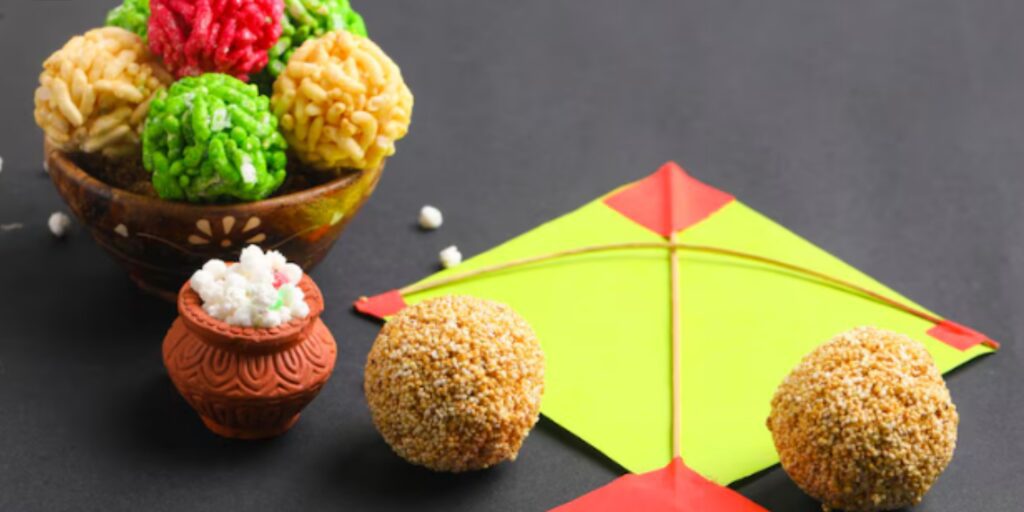
Keep light and nutritious snacks handy to sustain energy. Roasted chana, tilgul ladoos, and dry fruit chikkis are excellent choices. These snacks provide quick energy without weighing you down. Incorporate jaggery for its natural sugars and sesame for healthy fats and calcium.

Lunch for Sustained Energy

After hours of kite flying, your muscles need a wholesome meal. Include multigrain rotis, seasonal sabzis like methi or sarson, and a serving of dal or curd rice. Seasonal winter vegetables like carrots, radish, and spinach are nutrient-dense and help fight fatigue.

Avoid Overindulgence

Festivals often lead to overeating, which can make you feel lethargic. Enjoy delicacies in moderation and focus on portion control. Pair sweets like tilgul and gajak with physical activity to balance calorie intake.

End the Day Right

Post-festival, opt for a light dinner such as moong dal khichdi, vegetable soup, or ragi porridge to aid digestion and promote restful sleep.

Makar Sankranti is a time to enjoy traditions while staying mindful of your health. By incorporating balanced meals, hydrating adequately, and snacking wisely, you can make the most of your kite-flying day. Remember, nutrition is the thread that keeps your energy soaring, just like your kites!

References

  1. National Institute of Nutrition, Hyderabad: Traditional Indian Foods and Their Nutritional Value, (2020)
  2. Indian Council of Medical Research (ICMR) -Guidelines on Balanced Diets.

Related Blogs

Leave a Reply

Your email address will not be published. Required fields are marked *

You may also like

Search a ReeCoach In Your Area

Flying on Nutrition: A Guide for Kite-Flying Enthusiasts

Makar Sankranti is synonymous with vibrant skies, colourful kites, and an air of festivity. While kite flying is a delightful way to celebrate, it’s also an activity that demands endurance, agility, and focus. Staying fueled with the right nutrition can make your kite-flying experience even more enjoyable. Here’s how to balance festive fun with optimal nutrition.

Start Your Day with a Balanced Breakfast

Before heading to the terrace, fuel up with a nutritious breakfast. Opt for traditional options like poha with peanuts, vegetable upma, or a bowl of curd with jaggery and til (sesame seeds). These foods provide a mix of carbohydrates, protein, and good fats to keep your energy levels high.

Stay Hydrated

Kite flying under the winter sun can cause dehydration. Sip on warm jeera water, lemon water, or tender coconut water at intervals. Avoid sugary drinks or excessive tea, as they can lead to dehydration.

Snack Smart

Keep light and nutritious snacks handy to sustain energy. Roasted chana, tilgul ladoos, and dry fruit chikkis are excellent choices. These snacks provide quick energy without weighing you down. Incorporate jaggery for its natural sugars and sesame for healthy fats and calcium.

Lunch for Sustained Energy

After hours of kite flying, your muscles need a wholesome meal. Include multigrain rotis, seasonal sabzis like methi or sarson, and a serving of dal or curd rice. Seasonal winter vegetables like carrots, radish, and spinach are nutrient-dense and help fight fatigue.

Avoid Overindulgence

Festivals often lead to overeating, which can make you feel lethargic. Enjoy delicacies in moderation and focus on portion control. Pair sweets like tilgul and gajak with physical activity to balance calorie intake.

End the Day Right

Post-festival, opt for a light dinner such as moong dal khichdi, vegetable soup, or ragi porridge to aid digestion and promote restful sleep.

Makar Sankranti is a time to enjoy traditions while staying mindful of your health. By incorporating balanced meals, hydrating adequately, and snacking wisely, you can make the most of your kite-flying day. Remember, nutrition is the thread that keeps your energy soaring, just like your kites!

References

  1. National Institute of Nutrition, Hyderabad: Traditional Indian Foods and Their Nutritional Value, (2020)
  2. Indian Council of Medical Research (ICMR) -Guidelines on Balanced Diets.

Leave a Reply

Your email address will not be published. Required fields are marked *

You may also like

Search a ReeCoach In Your Area