Pulses: Are They Better for Muscle Recovery?

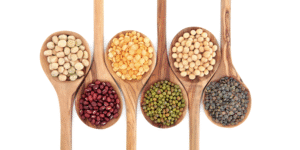
Pulses, encompassing lentils, beans, chickpeas, and peas, are not only dietary staples but also nutritional powerhouses. Rich in plant-based proteins, essential amino acids, complex carbohydrates, fiber, vitamins, and minerals, they offer a variety of health benefits. But how do they fare when it comes to muscle recovery? Let’s delve into the science and see if incorporating pulses into your diet can aid in bouncing back after strenuous workouts.

  1. The Protein in Pulses

Protein is crucial for muscle repair and growth. After exercise, especially resistance training, our muscle fibers experience micro-tears that need to be repaired. This repair process is what leads to muscle growth and increased strength. Pulses provide a substantial amount of protein, making them a valuable addition to a post-exercise meal.

  1. Amino Acids: The Building Blocks

While pulses are rich in protein, it’s essential to note that most plant-based proteins, including those in pulses, are not complete proteins. This means they might lack one or more of the essential amino acids required by the body. However, by combining pulses with other plant-based foods, such as grains or seeds, you can achieve a complete amino acid profile, ensuring your muscles get all the necessary building blocks for repair and growth.

  1. Carbohydrates and Energy Restoration

Post-exercise, replenishing glycogen stores is vital, especially after prolonged or high-intensity workouts. Pulses offer complex carbohydrates that provide a steady release of energy, aiding in glycogen restoration without causing rapid spikes in blood sugar levels.

  1. Antioxidants and Inflammation Reduction

Intense workouts can lead to oxidative stress and inflammation in the muscles. Pulses are abundant in antioxidants, such as polyphenols, which help combat oxidative stress and reduce inflammation, potentially speeding up the recovery process.

  1. Fiber Content

While the high fiber content in pulses promotes digestive health and provides a feeling of fullness, consuming large amounts immediately post-exercise might not be ideal for everyone. Some individuals may experience bloating or discomfort. It’s advisable to monitor your body’s response and adjust intake accordingly.

Incorporating pulses into your diet can be a beneficial strategy for muscle recovery. But here’s how you can include pulses in your post-exercise routine:

  1. Lentil Soup: A warm bowl can provide both protein and carbohydrates.
  2. Chickpea Salad: Combine with quinoa and veggies for a balanced meal.
  3. Bean Burrito/Wrap: Use whole-grain rotis and add some avocado for healthy fats.
  4. Pea Protein Smoothie: Blend with fruits and a plant-based milk for a quick recovery drink.

Pulses do offer a blend of protein, complex carbohydrates, and antioxidants that support the repair and replenishment processes post-exercise. But as with any dietary choice, it’s essential to listen to your body and determine what works best for your individual needs.

Remember, while pulses can aid in recovery, they are most effective when part of a balanced diet combined with proper hydration, adequate rest, and a well-structured exercise regimen.

References

  1. Venkidasamy, B., Selvaraj, D., Nile, A. S., Ramalingam, S., Kai, G., & Nile, S. H. (2019). Indian pulses: A review on nutritional, functional and biochemical properties with future perspectives. Trends in Food Science & Technology, 88, 228-242.
  2. Bessada, S. M., Barreira, J. C., & Oliveira, M. B. P. (2019). Pulses and food security: Dietary protein, digestibility, bioactive and functional properties. Trends in Food Science & Technology, 93, 53-68.
  3. Campos-Vega, R., Loarca-Piña, G., & Oomah, B. D. (2010). Minor components of pulses and their potential impact on human health. Food research international, 43(2), 461-482.

Related Blogs

Leave a Reply

Your email address will not be published. Required fields are marked *

You may also like

Search a ReeCoach In Your Area

Pulses: Are They Better for Muscle Recovery?

Pulses, encompassing lentils, beans, chickpeas, and peas, are not only dietary staples but also nutritional powerhouses. Rich in plant-based proteins, essential amino acids, complex carbohydrates, fiber, vitamins, and minerals, they offer a variety of health benefits. But how do they fare when it comes to muscle recovery? Let’s delve into the science and see if incorporating pulses into your diet can aid in bouncing back after strenuous workouts.

  1. The Protein in Pulses

Protein is crucial for muscle repair and growth. After exercise, especially resistance training, our muscle fibers experience micro-tears that need to be repaired. This repair process is what leads to muscle growth and increased strength. Pulses provide a substantial amount of protein, making them a valuable addition to a post-exercise meal.

  1. Amino Acids: The Building Blocks

While pulses are rich in protein, it’s essential to note that most plant-based proteins, including those in pulses, are not complete proteins. This means they might lack one or more of the essential amino acids required by the body. However, by combining pulses with other plant-based foods, such as grains or seeds, you can achieve a complete amino acid profile, ensuring your muscles get all the necessary building blocks for repair and growth.

  1. Carbohydrates and Energy Restoration

Post-exercise, replenishing glycogen stores is vital, especially after prolonged or high-intensity workouts. Pulses offer complex carbohydrates that provide a steady release of energy, aiding in glycogen restoration without causing rapid spikes in blood sugar levels.

  1. Antioxidants and Inflammation Reduction

Intense workouts can lead to oxidative stress and inflammation in the muscles. Pulses are abundant in antioxidants, such as polyphenols, which help combat oxidative stress and reduce inflammation, potentially speeding up the recovery process.

  1. Fiber Content

While the high fiber content in pulses promotes digestive health and provides a feeling of fullness, consuming large amounts immediately post-exercise might not be ideal for everyone. Some individuals may experience bloating or discomfort. It’s advisable to monitor your body’s response and adjust intake accordingly.

Incorporating pulses into your diet can be a beneficial strategy for muscle recovery. But here’s how you can include pulses in your post-exercise routine:

  1. Lentil Soup: A warm bowl can provide both protein and carbohydrates.
  2. Chickpea Salad: Combine with quinoa and veggies for a balanced meal.
  3. Bean Burrito/Wrap: Use whole-grain rotis and add some avocado for healthy fats.
  4. Pea Protein Smoothie: Blend with fruits and a plant-based milk for a quick recovery drink.

Pulses do offer a blend of protein, complex carbohydrates, and antioxidants that support the repair and replenishment processes post-exercise. But as with any dietary choice, it’s essential to listen to your body and determine what works best for your individual needs.

Remember, while pulses can aid in recovery, they are most effective when part of a balanced diet combined with proper hydration, adequate rest, and a well-structured exercise regimen.

References

  1. Venkidasamy, B., Selvaraj, D., Nile, A. S., Ramalingam, S., Kai, G., & Nile, S. H. (2019). Indian pulses: A review on nutritional, functional and biochemical properties with future perspectives. Trends in Food Science & Technology, 88, 228-242.
  2. Bessada, S. M., Barreira, J. C., & Oliveira, M. B. P. (2019). Pulses and food security: Dietary protein, digestibility, bioactive and functional properties. Trends in Food Science & Technology, 93, 53-68.
  3. Campos-Vega, R., Loarca-Piña, G., & Oomah, B. D. (2010). Minor components of pulses and their potential impact on human health. Food research international, 43(2), 461-482.

Leave a Reply

Your email address will not be published. Required fields are marked *

You may also like

Search a ReeCoach In Your Area