Pongal and Ayurveda: A Balanced Festive Feast

The festival of Pongal, celebrated with great fervour in South India, is a tribute to the harvest season and a testament to the timeless wisdom of Ayurveda. Rooted in nature’s cycles, this festival aligns perfectly with the Ayurvedic principles of seasonal eating, advocating foods that balance the body’s doshas (Vata, Pitta, and Kapha) and enhance overall well-being.

Ayurvedic Insights into Pongal Foods

Ayurveda emphasizes eating seasonally and locally, especially during transitions like the harvest season. Pongal dishes predominantly use rice, lentils, jaggery, ghee, and spices like pepper and ginger, each with specific Ayurvedic benefits:

  1. Rice: Easily digestible and grounding, rice calms Vata dosha and provides sustained energy.
  2. Split Moong Dal (Yellow Lentils): Light and balancing, moong dal soothes Pitta and Kapha doshas.
  3. Jaggery: A natural sweetener, jaggery detoxifies the liver and balances Kapha dosha.
  4. Ghee: Aids digestion, nourishes tissues, and pacifies Vata and Pitta doshas.
  5. Black Pepper and Ginger: Boost digestion, improve circulation, and balance Kapha dosha during the cool season.

Dosha-Specific Pongal Recipes

  1. For Vata Balance:

Vata types often feel cold and dry during winter, requiring warm, moist, and grounding foods.

Recipe: Creamy Moong Dal Pongal

Ingredients: Rice, moong dal, ghee, ginger, black pepper, asafoetida.

Method: Cook rice and dal together until soft. Temper with ghee, ginger, and spices. Serve warm.

Ayurvedic Tip: Add a pinch of nutmeg to further calm Vata.

  1. For Pitta Balance:

Pitta types may experience overheating even in winter, benefiting from cooling and mildly sweet dishes.

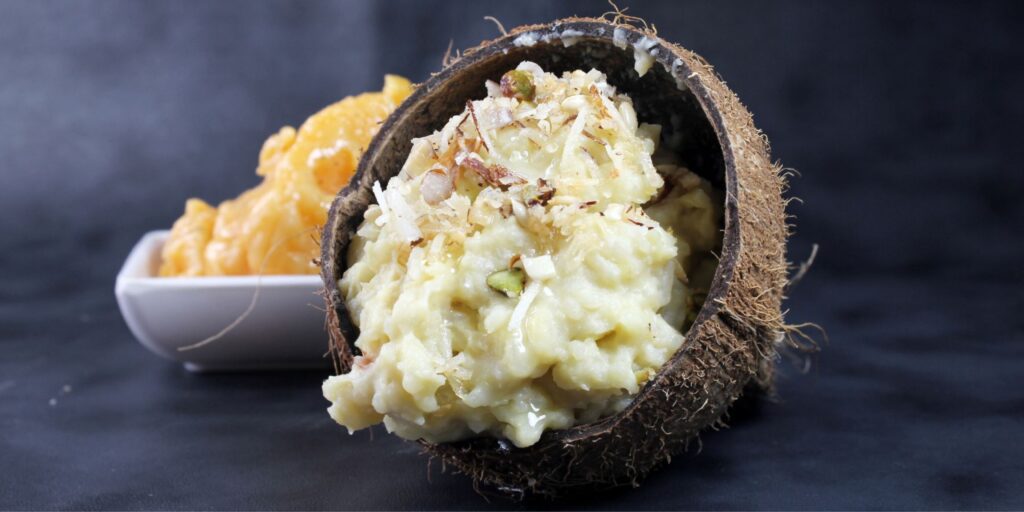
Recipe: Coconut Jaggery Pongal

Ingredients: Rice, jaggery, coconut milk, cardamom.

Method: Cook rice with coconut milk, stir in melted jaggery, and garnish with cardamom.

Ayurvedic Tip: Avoid excessive spices to keep Pitta cool

  1. For Kapha Balance:

Kapha types thrive on light, warm, and mildly spicy foods to counteract heaviness.

Recipe: Spiced Millets Pongal

Ingredients: Foxtail millet, moong dal, black pepper, cumin, ginger.

Method: Cook millet and dal, then temper with ghee and spices. Serve hot.

Ayurvedic Tip: Add a squeeze of lemon for an energising touch.

Pongal’s culinary traditions beautifully reflect Ayurvedic wisdom, offering dishes that celebrate the harvest while nourishing the body and mind. By choosing dosha-specific variations, one can align festive indulgence with holistic health. This Pongal, savour the essence of Ayurveda on your plate and embrace the balance it brings.

References

  1. Charaka Samhita: An ancient Ayurvedic text outlining seasonal dietary practices (pg. 45).
  2. Dr. Vasant Lad: “The Complete Book of Ayurvedic Home Remedies” – Insights into dosha-specific foods (pg. 120).

Ashtanga Hridayam: Discusses the digestive benefits of spices like ginger and black pepper in winter (pg. 78).

Related Blogs

Leave a Reply

Your email address will not be published. Required fields are marked *

You may also like

Search a ReeCoach In Your Area

Pongal and Ayurveda: A Balanced Festive Feast

The festival of Pongal, celebrated with great fervour in South India, is a tribute to the harvest season and a testament to the timeless wisdom of Ayurveda. Rooted in nature’s cycles, this festival aligns perfectly with the Ayurvedic principles of seasonal eating, advocating foods that balance the body’s doshas (Vata, Pitta, and Kapha) and enhance overall well-being.

Ayurvedic Insights into Pongal Foods

Ayurveda emphasizes eating seasonally and locally, especially during transitions like the harvest season. Pongal dishes predominantly use rice, lentils, jaggery, ghee, and spices like pepper and ginger, each with specific Ayurvedic benefits:

  1. Rice: Easily digestible and grounding, rice calms Vata dosha and provides sustained energy.
  2. Split Moong Dal (Yellow Lentils): Light and balancing, moong dal soothes Pitta and Kapha doshas.
  3. Jaggery: A natural sweetener, jaggery detoxifies the liver and balances Kapha dosha.
  4. Ghee: Aids digestion, nourishes tissues, and pacifies Vata and Pitta doshas.
  5. Black Pepper and Ginger: Boost digestion, improve circulation, and balance Kapha dosha during the cool season.

Dosha-Specific Pongal Recipes

  1. For Vata Balance:

Vata types often feel cold and dry during winter, requiring warm, moist, and grounding foods.

Recipe: Creamy Moong Dal Pongal

Ingredients: Rice, moong dal, ghee, ginger, black pepper, asafoetida.

Method: Cook rice and dal together until soft. Temper with ghee, ginger, and spices. Serve warm.

Ayurvedic Tip: Add a pinch of nutmeg to further calm Vata.

  1. For Pitta Balance:

Pitta types may experience overheating even in winter, benefiting from cooling and mildly sweet dishes.

Recipe: Coconut Jaggery Pongal

Ingredients: Rice, jaggery, coconut milk, cardamom.

Method: Cook rice with coconut milk, stir in melted jaggery, and garnish with cardamom.

Ayurvedic Tip: Avoid excessive spices to keep Pitta cool

  1. For Kapha Balance:

Kapha types thrive on light, warm, and mildly spicy foods to counteract heaviness.

Recipe: Spiced Millets Pongal

Ingredients: Foxtail millet, moong dal, black pepper, cumin, ginger.

Method: Cook millet and dal, then temper with ghee and spices. Serve hot.

Ayurvedic Tip: Add a squeeze of lemon for an energising touch.

Pongal’s culinary traditions beautifully reflect Ayurvedic wisdom, offering dishes that celebrate the harvest while nourishing the body and mind. By choosing dosha-specific variations, one can align festive indulgence with holistic health. This Pongal, savour the essence of Ayurveda on your plate and embrace the balance it brings.

References

  1. Charaka Samhita: An ancient Ayurvedic text outlining seasonal dietary practices (pg. 45).
  2. Dr. Vasant Lad: “The Complete Book of Ayurvedic Home Remedies” – Insights into dosha-specific foods (pg. 120).

Ashtanga Hridayam: Discusses the digestive benefits of spices like ginger and black pepper in winter (pg. 78).

Leave a Reply

Your email address will not be published. Required fields are marked *

You may also like

Search a ReeCoach In Your Area