The Gut-Diabetes Axis: Why Healing your Gut can Improve Blood Sugar

When we think of diabetes, we immediately think of sugar. But new research reveals that it’s not just what we eat, it’s what our gut microbes do with what we eat that can determine how our body handles glucose.

The Gut–Diabetes Axis: What is it?

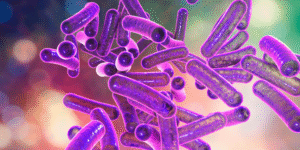
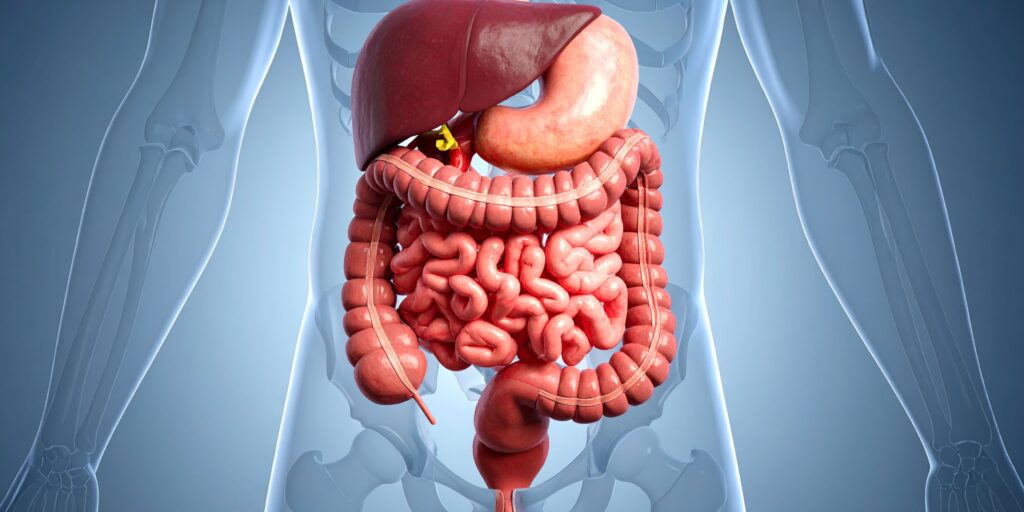
Your gut houses trillions of microbes that affect digestion, immunity, and metabolism. When this delicate ecosystem becomes imbalanced, a state called dysbiosis (imbalance of gut bacteria) occurs that triggers inflammation thus causing insulin resistance.

A recent Indian study found that people who had more of the “good gut bacteria” that make a substance called butyrate had better blood sugar control, shown by lower HbA1c levels (1). Another review from India also found that when the balance of gut bacteria is disturbed, it can lead to insulin resistance and inflammation, both of which make it harder to manage blood sugar (2).

How a Healthy Gut Supports Blood Sugar Balance:

1. Improves how your body uses insulin:

Good gut bacteria make substances like butyrate that help your body’s cells respond better to insulin, making it easier to control blood sugar.

2. Reduces inflammation:

A healthy gut lining keeps harmful substances from leaking into the blood, which helps prevent inflammation that can affect overall health.

3. Controls appetite and metabolism:

Gut bacteria help release hormones like GLP-1 that control hunger and how your body uses energy, keeping your appetite and blood sugar in balance.

4. Supports gut-brain connection:

Regulates gut-brain connection: Your gut talks to your brain through the vagus nerve, influencing cravings, satiety, and mood. A healthy microbiome prevents sugar cravings and emotional eating.

Interestingly, Indian probiotic strains have shown potential to improve glucose tolerance and gut integrity in animal studies (3).

Why This Matters Especially for Indians

Indians often develop diabetes at younger ages and lower BMIs, a pattern linked to our “thin-fat” body type. Our gut microbiome is also distinct, influenced by regional diets, spices, and lifestyle (4).

This means improving gut health through traditional Indian foods may be one of the most natural, culturally aligned ways to support blood sugar management. 

Simple Gut-Healing Tips for Better Blood Sugar

  1. Eat More Fiber: Include prebiotic-rich foods like garlic, onion, banana, flaxseed, oats, and millets. Aim for 25–30 g of fiber daily.
  2. Focus on Fermented Foods: Homemade curd, kanji, idli, dosa batter, and sauerkraut help restore beneficial bacteria.
  3. Avoid Ultra-Processed Foods: Preservatives, emulsifiers, and artificial sweeteners can harm microbial balance.
  4. Support the Vagus Nerve: Practices like deep breathing, chanting “Om,” yoga, and mindful eating help regulate the gut-brain axis.
  5. Balance Your Meals: Include protein, healthy fats, and complex carbs in every meal to stabilize post-meal glucose spikes.
  6. Sleep & Sunlight: Circadian rhythm influences gut health and insulin sensitivity, maintain consistent sleep and morning sunlight exposure.

Healing your gut isn’t a quick fix, it’s a long-term investment in your metabolic health. When your gut thrives, your blood sugar stabilizes, your energy improves, and your risk for chronic disease decreases. Your gut is not just about digestion, it’s the control center of your health. Nurture it well, and it will return the favor in more ways than one.

References

  1. Kallapura G, Prakash AS, Sankaran K, et al. Microbiota based personalized nutrition improves hyperglycaemia and hypertension parameters and reduces inflammation: a prospective, open label, controlled, randomized, comparative, proof of concept study. PeerJ. 2024;12:e17583. Published 2024 Jun 26. doi:10.7717/peerj.17583 
  2. Krishna U, Paritosh T, Hariom P, Narendra Y. The impact of gut microbiota in the development and management of diabetes. J Diabetol. 2025;16(3):193-203.
  3. Balakumar M, Prabhu D, Sathishkumar C, Prabu P, Rokana N, Kumar R, Balasubramanyam M. Improvement in glucose tolerance and insulin sensitivity by probiotic strains of Indian gut origin in high-fat diet-fed C57BL/6J mice. Eur J Nutr. 2018;57(1):279-295.
  4. Chandel N, Somvanshi PR, Thakur V. Characterisation of Indian gut microbiome for B-vitamin production and its comparison with Chinese cohort. Br J Nutr. 2024;131(4):686-697.

Related Blogs

Leave a Reply

Your email address will not be published. Required fields are marked *

You may also like

Search a ReeCoach In Your Area

The Gut-Diabetes Axis: Why Healing your Gut can Improve Blood Sugar

When we think of diabetes, we immediately think of sugar. But new research reveals that it’s not just what we eat, it’s what our gut microbes do with what we eat that can determine how our body handles glucose.

The Gut–Diabetes Axis: What is it?

Your gut houses trillions of microbes that affect digestion, immunity, and metabolism. When this delicate ecosystem becomes imbalanced, a state called dysbiosis (imbalance of gut bacteria) occurs that triggers inflammation thus causing insulin resistance.

A recent Indian study found that people who had more of the “good gut bacteria” that make a substance called butyrate had better blood sugar control, shown by lower HbA1c levels (1). Another review from India also found that when the balance of gut bacteria is disturbed, it can lead to insulin resistance and inflammation, both of which make it harder to manage blood sugar (2).

How a Healthy Gut Supports Blood Sugar Balance:

1. Improves how your body uses insulin:

Good gut bacteria make substances like butyrate that help your body’s cells respond better to insulin, making it easier to control blood sugar.

2. Reduces inflammation:

A healthy gut lining keeps harmful substances from leaking into the blood, which helps prevent inflammation that can affect overall health.

3. Controls appetite and metabolism:

Gut bacteria help release hormones like GLP-1 that control hunger and how your body uses energy, keeping your appetite and blood sugar in balance.

4. Supports gut-brain connection:

Regulates gut-brain connection: Your gut talks to your brain through the vagus nerve, influencing cravings, satiety, and mood. A healthy microbiome prevents sugar cravings and emotional eating.

Interestingly, Indian probiotic strains have shown potential to improve glucose tolerance and gut integrity in animal studies (3).

Why This Matters Especially for Indians

Indians often develop diabetes at younger ages and lower BMIs, a pattern linked to our “thin-fat” body type. Our gut microbiome is also distinct, influenced by regional diets, spices, and lifestyle (4).

This means improving gut health through traditional Indian foods may be one of the most natural, culturally aligned ways to support blood sugar management. 

Simple Gut-Healing Tips for Better Blood Sugar

  1. Eat More Fiber: Include prebiotic-rich foods like garlic, onion, banana, flaxseed, oats, and millets. Aim for 25–30 g of fiber daily.
  2. Focus on Fermented Foods: Homemade curd, kanji, idli, dosa batter, and sauerkraut help restore beneficial bacteria.
  3. Avoid Ultra-Processed Foods: Preservatives, emulsifiers, and artificial sweeteners can harm microbial balance.
  4. Support the Vagus Nerve: Practices like deep breathing, chanting “Om,” yoga, and mindful eating help regulate the gut-brain axis.
  5. Balance Your Meals: Include protein, healthy fats, and complex carbs in every meal to stabilize post-meal glucose spikes.
  6. Sleep & Sunlight: Circadian rhythm influences gut health and insulin sensitivity, maintain consistent sleep and morning sunlight exposure.

Healing your gut isn’t a quick fix, it’s a long-term investment in your metabolic health. When your gut thrives, your blood sugar stabilizes, your energy improves, and your risk for chronic disease decreases. Your gut is not just about digestion, it’s the control center of your health. Nurture it well, and it will return the favor in more ways than one.

References

  1. Kallapura G, Prakash AS, Sankaran K, et al. Microbiota based personalized nutrition improves hyperglycaemia and hypertension parameters and reduces inflammation: a prospective, open label, controlled, randomized, comparative, proof of concept study. PeerJ. 2024;12:e17583. Published 2024 Jun 26. doi:10.7717/peerj.17583 
  2. Krishna U, Paritosh T, Hariom P, Narendra Y. The impact of gut microbiota in the development and management of diabetes. J Diabetol. 2025;16(3):193-203.
  3. Balakumar M, Prabhu D, Sathishkumar C, Prabu P, Rokana N, Kumar R, Balasubramanyam M. Improvement in glucose tolerance and insulin sensitivity by probiotic strains of Indian gut origin in high-fat diet-fed C57BL/6J mice. Eur J Nutr. 2018;57(1):279-295.
  4. Chandel N, Somvanshi PR, Thakur V. Characterisation of Indian gut microbiome for B-vitamin production and its comparison with Chinese cohort. Br J Nutr. 2024;131(4):686-697.

Leave a Reply

Your email address will not be published. Required fields are marked *

You may also like

Search a ReeCoach In Your Area