The Plate Equation: How to Build a Blood Sugar Proof Meal in 3 Simple Steps

Do you ever feel sleepy or crave something sweet soon after a meal? Chances are, your blood sugar spiked and then crashed. The good news is you can prevent that with a simple equation: Protein + Fiber + Fat = Stable Glucose.

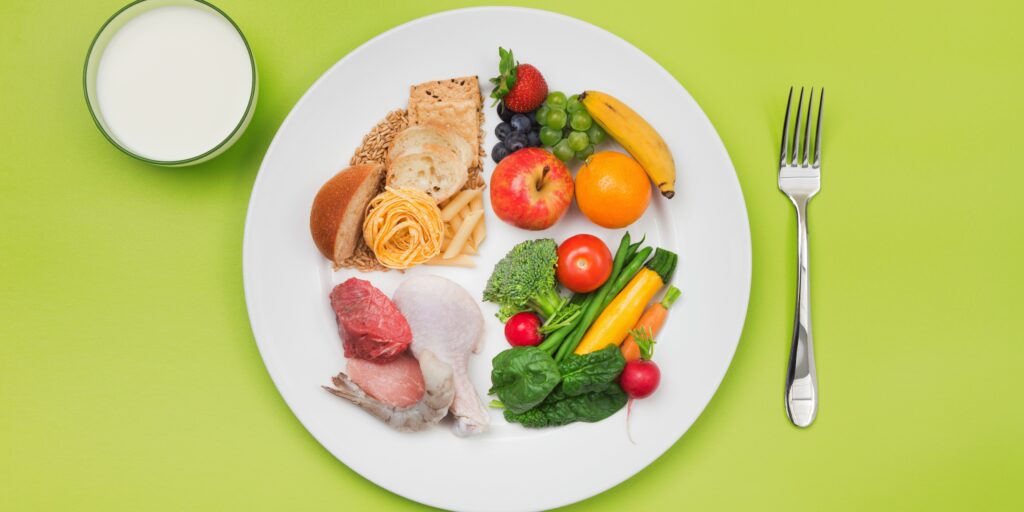
This Plate Equation isn’t a diet rule; it’s an easy guide to help you build balanced meals in three simple steps. Managing blood sugar levels doesn’t mean giving up your favorite Indian foods. The Plate Equation helps you create nourishing, blood sugar-friendly meals without complicated calculations. Using your regular 9-inch plate, you can achieve the perfect balance between taste and nutrition.

Step 1: Half Plate of Non-Starchy Vegetables

Fill half your plate with colorful Indian vegetables. Consider bhindi sabzi, tinda masala, lauki chana dal, or palak paneer (with less oil). Non-starchy vegetables are high in fiber and antioxidants. They slow down sugar absorption and improve gut health. You can sauté, steam, or stir-fry them with mustard seeds, cumin, or turmeric to keep them flavorful and balanced.

Step 2: One-Quarter Plate of Protein

Protein is vital for feeling full and maintaining stable blood sugar. Include dal, moong chilla, chana or rajma curry, paneer bhurji, or yogurt. South Indian options like sambar or rasam with sprouts are also great. For non-vegetarians, grilled fish, boiled eggs, or homemade chicken curry work well. Combining grains and pulses, like in khichdi, provides complete protein for vegetarians.

Step 3: One-Quarter Plate of Healthy Carbohydrates

Choose whole grains like roti made from multigrain flour, brown rice, millet dishes (bajra khichdi, jowar roti), or hand-pounded rice. These carbohydrates release energy slowly, which helps prevent sugar spikes. Limit foods made with refined flour, deep-fried snacks, and sugary drinks.

Bonus Tip: Add a teaspoon of ghee or olive oil for healthy fats. Sprinkle some flaxseeds or sesame seeds, and drink plenty of water with buttermilk or infused water. Practice mindful eating by chewing slowly and avoiding distractions.

A blood sugar-proof plate isn’t about restriction. It’s about proportion, variety, and thoughtful choices, all beautifully connected to the richness of Indian cuisine.

References

  1. American Diabetes Association. The Diabetes Plate Method. 2023.
  2. National Institute of Nutrition, India. Dietary Guidelines for Indians. 2021.
  3. Harvard T.H. Chan School of Public Health. Healthy Eating Plate. 2023

Related Blogs

Leave a Reply

Your email address will not be published. Required fields are marked *

You may also like

Search a ReeCoach In Your Area

The Plate Equation: How to Build a Blood Sugar Proof Meal in 3 Simple Steps

Do you ever feel sleepy or crave something sweet soon after a meal? Chances are, your blood sugar spiked and then crashed. The good news is you can prevent that with a simple equation: Protein + Fiber + Fat = Stable Glucose.

This Plate Equation isn’t a diet rule; it’s an easy guide to help you build balanced meals in three simple steps. Managing blood sugar levels doesn’t mean giving up your favorite Indian foods. The Plate Equation helps you create nourishing, blood sugar-friendly meals without complicated calculations. Using your regular 9-inch plate, you can achieve the perfect balance between taste and nutrition.

Step 1: Half Plate of Non-Starchy Vegetables

Fill half your plate with colorful Indian vegetables. Consider bhindi sabzi, tinda masala, lauki chana dal, or palak paneer (with less oil). Non-starchy vegetables are high in fiber and antioxidants. They slow down sugar absorption and improve gut health. You can sauté, steam, or stir-fry them with mustard seeds, cumin, or turmeric to keep them flavorful and balanced.

Step 2: One-Quarter Plate of Protein

Protein is vital for feeling full and maintaining stable blood sugar. Include dal, moong chilla, chana or rajma curry, paneer bhurji, or yogurt. South Indian options like sambar or rasam with sprouts are also great. For non-vegetarians, grilled fish, boiled eggs, or homemade chicken curry work well. Combining grains and pulses, like in khichdi, provides complete protein for vegetarians.

Step 3: One-Quarter Plate of Healthy Carbohydrates

Choose whole grains like roti made from multigrain flour, brown rice, millet dishes (bajra khichdi, jowar roti), or hand-pounded rice. These carbohydrates release energy slowly, which helps prevent sugar spikes. Limit foods made with refined flour, deep-fried snacks, and sugary drinks.

Bonus Tip: Add a teaspoon of ghee or olive oil for healthy fats. Sprinkle some flaxseeds or sesame seeds, and drink plenty of water with buttermilk or infused water. Practice mindful eating by chewing slowly and avoiding distractions.

A blood sugar-proof plate isn’t about restriction. It’s about proportion, variety, and thoughtful choices, all beautifully connected to the richness of Indian cuisine.

References

  1. American Diabetes Association. The Diabetes Plate Method. 2023.
  2. National Institute of Nutrition, India. Dietary Guidelines for Indians. 2021.
  3. Harvard T.H. Chan School of Public Health. Healthy Eating Plate. 2023

Leave a Reply

Your email address will not be published. Required fields are marked *

You may also like

Search a ReeCoach In Your Area